Get Gravel Driveway Installation
Local contractors can install gravel driveways to improve access, prevent erosion, and enhance the appearance of residential or commercial properties.
If you are considering a gravel driveway installation, you are in the right place to explore options and gather information. Many property owners look into this type of project to improve accessibility, enhance curb appeal, or create a practical surface for parking and pathways. Comparing local contractors can help ensure the work aligns with your property’s needs and provides a durable, attractive result. Continuing to read can provide insights into how to plan your project effectively and what to look for when choosing a service provider.
Finding the right local contractors for gravel driveway installation involves understanding the scope of the work and evaluating the options available in your area. It’s helpful to consider factors such as experience, reputation, and the services offered. This process can assist in making informed decisions that support a successful project tailored to your property’s specific requirements. Keep exploring to connect with experienced service providers who can help bring your driveway vision to life.
- Gravel Driveway Installation - when a property owner needs a durable and affordable driveway surface.
- Gravel Resurfacing - if existing gravel driveways require leveling or fresh material to improve appearance and function.
- Driveway Expansion - when expanding an existing gravel driveway to accommodate increased vehicle traffic or additional parking space.
- Custom Gravel Pathways - for creating functional and attractive gravel walkways around residential or commercial properties.
- Drainage Solutions for Gravel Driveways - when addressing water runoff issues to prevent erosion and maintain driveway integrity.
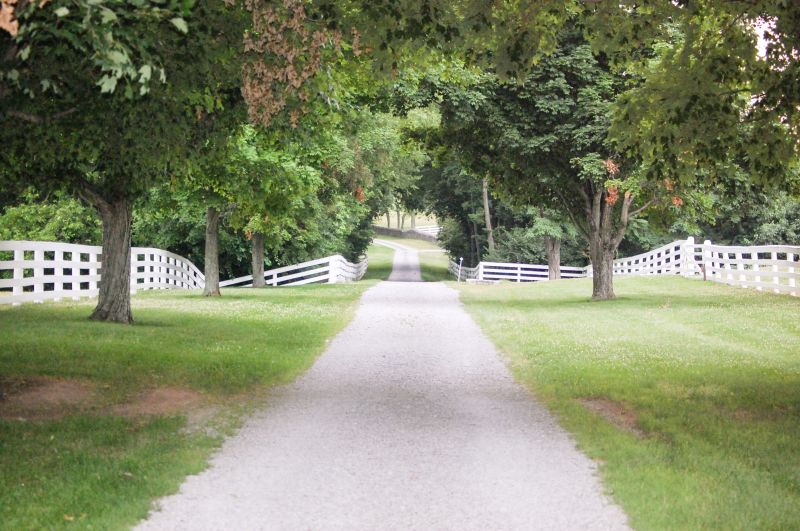
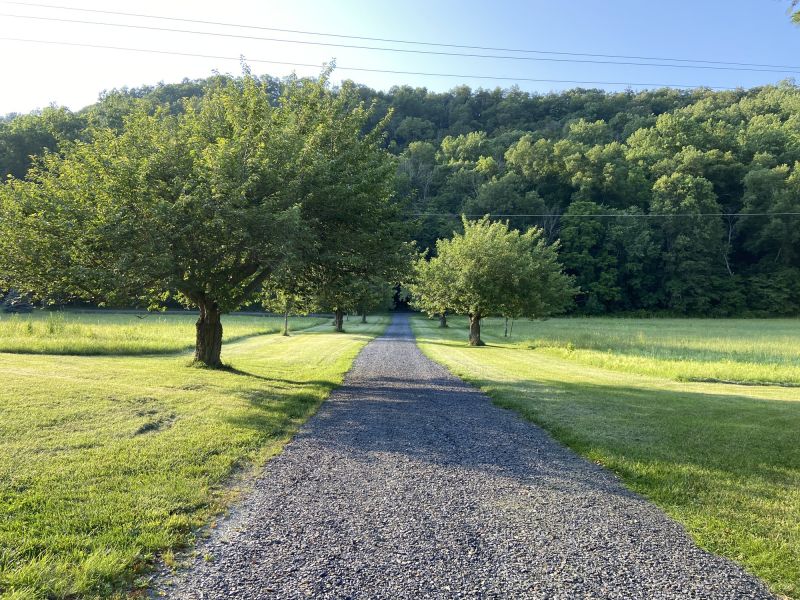
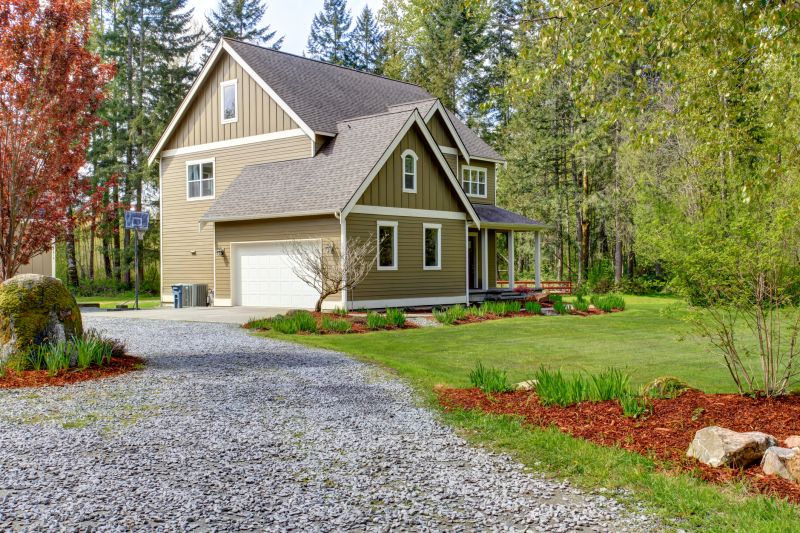
Gravel driveway installation involves preparing the existing surface and laying down a durable layer of gravel that provides a stable and functional driveway. The process typically starts with clearing and grading the area to ensure proper drainage and a level surface. Then, a layer of crushed stone or gravel is spread evenly and compacted to create a solid foundation. This type of driveway offers a practical solution for homeowners seeking an affordable, easy-to-maintain, and flexible driveway option that can be customized to fit the property's layout.
Many property owners turn to gravel driveways to address common issues such as poor drainage, mud, or uneven terrain. Gravel surfaces help prevent water pooling and reduce erosion, making them suitable for areas with heavy rainfall or poor soil conditions. Additionally, gravel driveways are less prone to cracking or potholes compared to concrete or asphalt, which can be beneficial in regions with freeze-thaw cycles. Installing a gravel driveway can also improve the overall appearance of a property by adding a rustic or natural look that complements various landscape styles.
This service is often chosen by a wide range of property types, including residential homes, rural properties, farms, and small commercial sites. Homes with larger or sloped yards frequently benefit from gravel driveways due to their ease of installation and ability to conform to uneven terrain. Rural properties or farms may prefer gravel for its affordability and practicality, especially in areas where heavy vehicles or equipment are used. Commercial properties that require quick access or frequent vehicle movement also find gravel driveways to be a cost-effective and functional choice.
Homeowners considering a gravel driveway should evaluate their property’s specific needs, such as drainage requirements, foot traffic, and aesthetic preferences. A gravel driveway can be an excellent solution for those looking to improve accessibility, prevent muddy conditions, or create a defined parking area. Local contractors specializing in gravel driveway installation can assess the site, recommend suitable materials, and handle the entire process to ensure a durable and attractive result. Contacting experienced service providers can help determine the best approach for each property’s unique conditions.
The overview below groups typical Gravel Driveway Installation projects into broad ranges so you can see how smaller, mid-sized, and larger jobs often compare in your area.
In many markets, a large share of routine jobs stays in the lower and middle ranges, while only a smaller percentage of projects moves into the highest bands when the work is more complex or site conditions are harder than average.
Smaller Repairs - Typical costs for minor gravel driveway repairs, such as filling potholes or adding a small amount of gravel, usually range from $250 to $600. Many routine fixes fall within this range, depending on the extent of work needed.
Resurfacing or Regrading - For projects involving resurfacing or regrading existing gravel driveways, local contractors often charge between $1,000 and $3,000. Larger or more uneven driveways may push costs higher, but most projects stay within this middle range.
Full Replacement - Complete gravel driveway replacements generally cost between $4,000 and $8,000, with larger or more complex projects potentially exceeding this range. Many jobs in this category fall into the middle to upper tiers, depending on size and site conditions.
Custom or Large-Scale Installations - Custom designs or extensive driveway installations can reach $10,000 or more, especially for long or intricate layouts. While fewer projects fall into this high-cost bracket, local service providers can handle these larger jobs as needed.
Actual totals will depend on details like access to the work area, the scope of the project, and the materials selected, so use these as general starting points rather than exact figures.
Patio and walkway installation - these projects require similar planning, excavation, and material spreading skills as gravel driveway installation.
Landscape grading and leveling - involves earth-moving techniques and site preparation that are essential for proper driveway installation.
Retaining wall construction - requires knowledge of soil stability and structural planning, which are also important in driveway projects.
Concrete pad and slab pouring - involves precise leveling and material handling skills comparable to gravel driveway setup.
Drainage system installation - focuses on managing water flow, a key consideration in durable driveway construction.
Fence and boundary installation - involves site planning and ground preparation skills similar to those used in driveway installation projects.
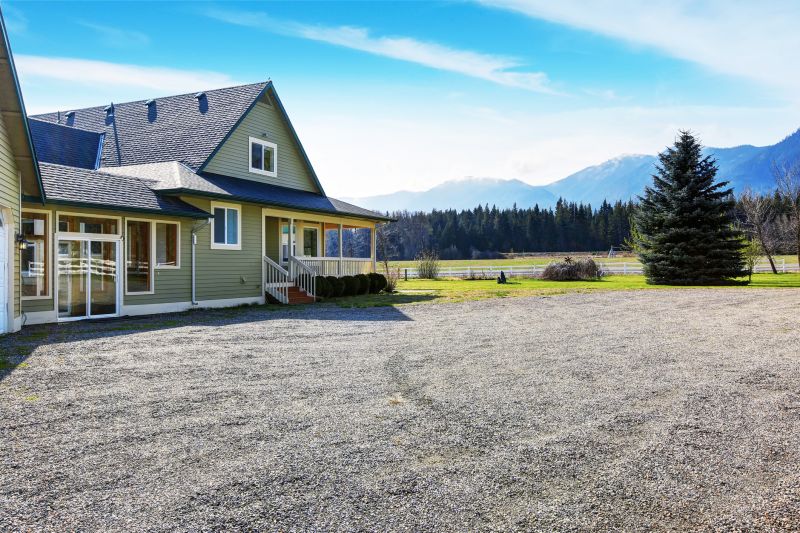
When evaluating contractors for gravel driveway installation, it’s important to consider their experience with similar projects. Homeowners should look for service providers who have a proven track record of completing driveway installations comparable in size and scope. Asking about past work can help determine if a contractor has the necessary expertise and familiarity with the specific challenges that can arise during a gravel driveway project. An experienced local contractor is more likely to understand the best practices for site preparation, drainage, and material selection, which can contribute to a successful outcome.
Clear, written expectations are essential when comparing local contractors. Homeowners should seek detailed proposals that outline the scope of work, materials to be used, and any specific responsibilities of the contractor. Having this information in writing helps prevent misunderstandings and ensures that both parties are aligned on the project’s goals. It’s also beneficial to ask how the contractor plans to handle potential issues or changes that may come up during the work, fostering transparency and a shared understanding from the outset.
Reputable references and good communication are key factors in selecting a reliable service provider. Homeowners should request references from previous clients to gain insight into the contractor’s professionalism, work quality, and ability to meet deadlines. Open and responsive communication throughout the process can make the experience smoother and help address any questions or concerns promptly. While the site introduces homeowners to local options capable of handling gravel driveway projects, it’s ultimately up to the homeowner to assess each contractor’s experience, clarity of expectations, and reputation to find the best match for their needs.
Property owners use Gravel Driveway Installation services for practical projects around their homes and businesses. This guide focuses on everyday jobs and straightforward project options.
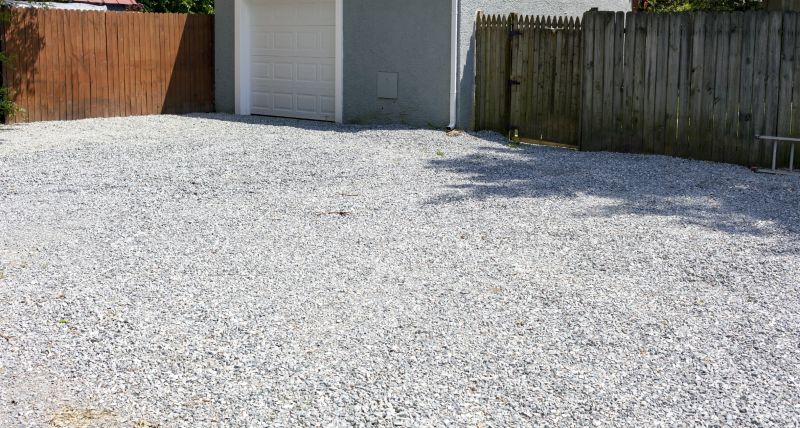
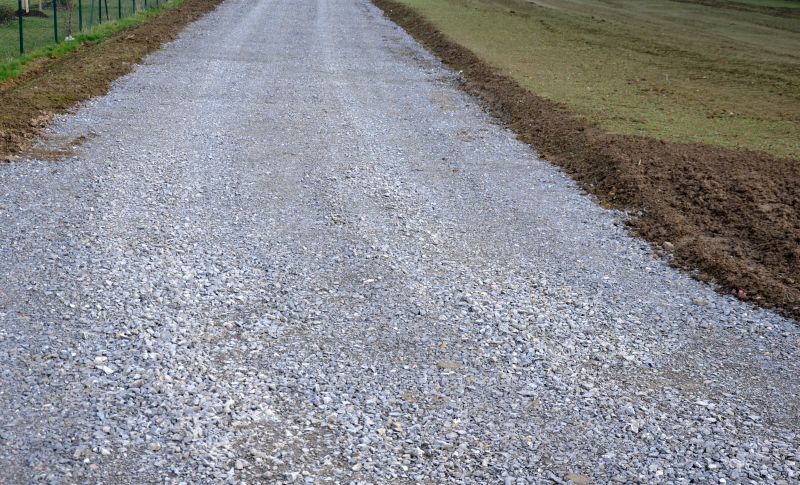
Gravel driveway installation is a common project for property owners looking to improve access and curb appeal. Many local residents seek these services when replacing worn-out surfaces or creating new driveways that are both functional and affordable. Whether preparing a space for a new garage, updating an aging driveway, or establishing a simple parking area, local contractors can provide options tailored to individual needs and property layouts.
Homeowners and property managers often turn to local service providers for gravel driveway work to enhance drainage, reduce maintenance, or simply achieve a more natural look. These projects can also be driven by the desire to increase property value or improve accessibility around the property. Connecting with experienced local contractors ensures that the job is handled efficiently, with results that meet the specific requirements of each property.
What are the benefits of installing a gravel driveway? Gravel driveways provide good drainage, require minimal maintenance, and can be an affordable option for many homeowners.
How do local contractors prepare the area for gravel driveway installation? They typically clear the site, level the ground, and lay a suitable base material to ensure stability and proper drainage.
What types of gravel are commonly used for driveways? Crushed stone, pea gravel, and decomposed granite are popular choices, each offering different aesthetics and durability.
Can gravel driveways be installed in all climates? Gravel driveways are suitable for most climates, but local contractors can recommend the best type of gravel based on regional weather conditions.
What maintenance is required for a gravel driveway? Regular raking, adding fresh gravel as needed, and occasional leveling help maintain a gravel driveway's appearance and functionality.
Driveway Resurfacing - Property owners can explore options for upgrading or repairing an existing gravel driveway to improve durability and appearance.
Custom Gravel Driveway Design - Homeowners interested in creating a new driveway can find local contractors who specialize in tailored gravel layouts suited to their property.
Drainage Solution Installation - Property owners can seek professional help to install proper drainage systems that prevent erosion and water pooling on gravel driveways.
Driveway Expansion Projects - Those looking to add extra parking space or extend their driveway can connect with service providers experienced in gravel driveway expansion.
If you are thinking about Gravel Driveway Installation for a property, this guide is meant to help you understand the work, the typical project types, and how different options might fit your plans.
When you are ready, you can use the quote form on this page to share a few details about your project. From there, local pros can review the basics and respond with options that match what you have in mind.